Writing
do something before you have to
and then learn what’s worth doing again

i was updating my portfolio recently, which is a weird way to reflect on your life.
you start with the simple stuff: projects, links, roles, screenshots, descriptions. then somewhere along the way, you realize you’re not just organizing work. you’re organizing evidence of the person you’ve been becoming.
i’m about to start my junior year, and looking back at my first two years of college, almost everything i’m proud of had one thing in common:
none of it was required.
not in the beginning, at least.
the student tools, the side projects, the internships, the startup work, the client work, the writing, the rooms i entered before i felt ready — most of them didn’t start because someone handed me a requirement and told me to begin.
they started because something made me curious. or annoyed. or slightly scared that i was staying too comfortable. or because i looked at something and thought, “wait, why doesn’t this exist yet?”
at the time, a lot of it felt random.
looking back, it feels less random than i thought.
maybe the pattern was simple:
do something before you have to.
the second half took longer to learn.
college makes waiting easy
college gives you a lot of structure.
classes, deadlines, org cycles, enlistment, exams, group works, internships, thesis, graduation. there’s always a next thing, and because there’s always a next thing, it can feel like movement is already built into the system.
finish the semester. move up a year. take the next class. wait for the next requirement. technically, you’re progressing.
but progress and motion aren’t always the same thing.
you can move through college without really testing what you care about outside the checklist. you can wait for internship season before thinking about experience. you can wait for a class project before building something real. you can wait until you need a referral before talking to people outside your usual circle.
that’s the trap: college can make waiting feel responsible.
it gives you an official timeline for everything, so it becomes easy to believe that the right time to start is when the requirement finally appears.
but one thing my first two years taught me is that requirements are better treated as deadlines, not starting lines.
the required internship shouldn’t be the first time you think about experience. the class project doesn’t have to be the first time you try making something useful. graduation doesn’t have to be the first time you ask what kind of work you want to be good at.
by the time something becomes required, you can already have a few attempts behind you.
not perfect attempts. not impressive attempts. just enough attempts to know a little more than you would’ve known if you waited.
a question i wish i asked earlier
what can i start now that future me will thank me for?
surface area, then motion
in my first college reflection, college perspective shift, i wrote about creating more surface area for myself.
that was the first shift: leave the bubble a bit.
go to the event. enter the room. talk to people outside the usual circles. stop assuming college is only what happens inside classes, orgs, and the spaces already in front of you.
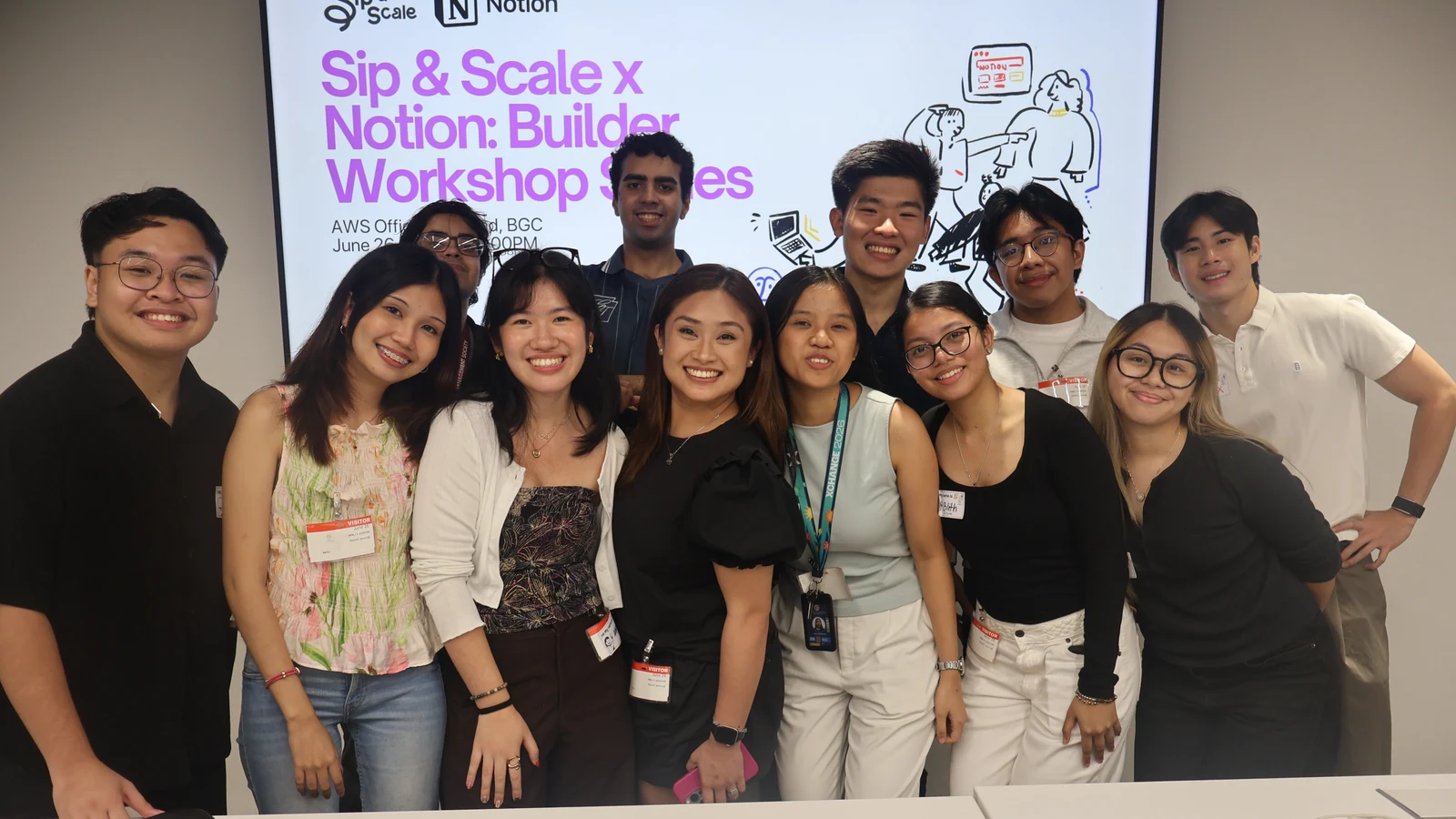
i think i needed that lesson first because it’s easy to let your world stay small without noticing, especially in college. you can spend most of your time with the same people, in the same buildings, doing the same kinds of tasks, talking about the same kinds of problems. and there’s nothing wrong with that, but if you never step outside of it, you start mistaking your bubble for the whole world.
creating surface area changed that for me.
it led me to rooms i wouldn’t have entered on my own. it made me hear questions i hadn’t thought about. it made the version of college in my head feel too small.
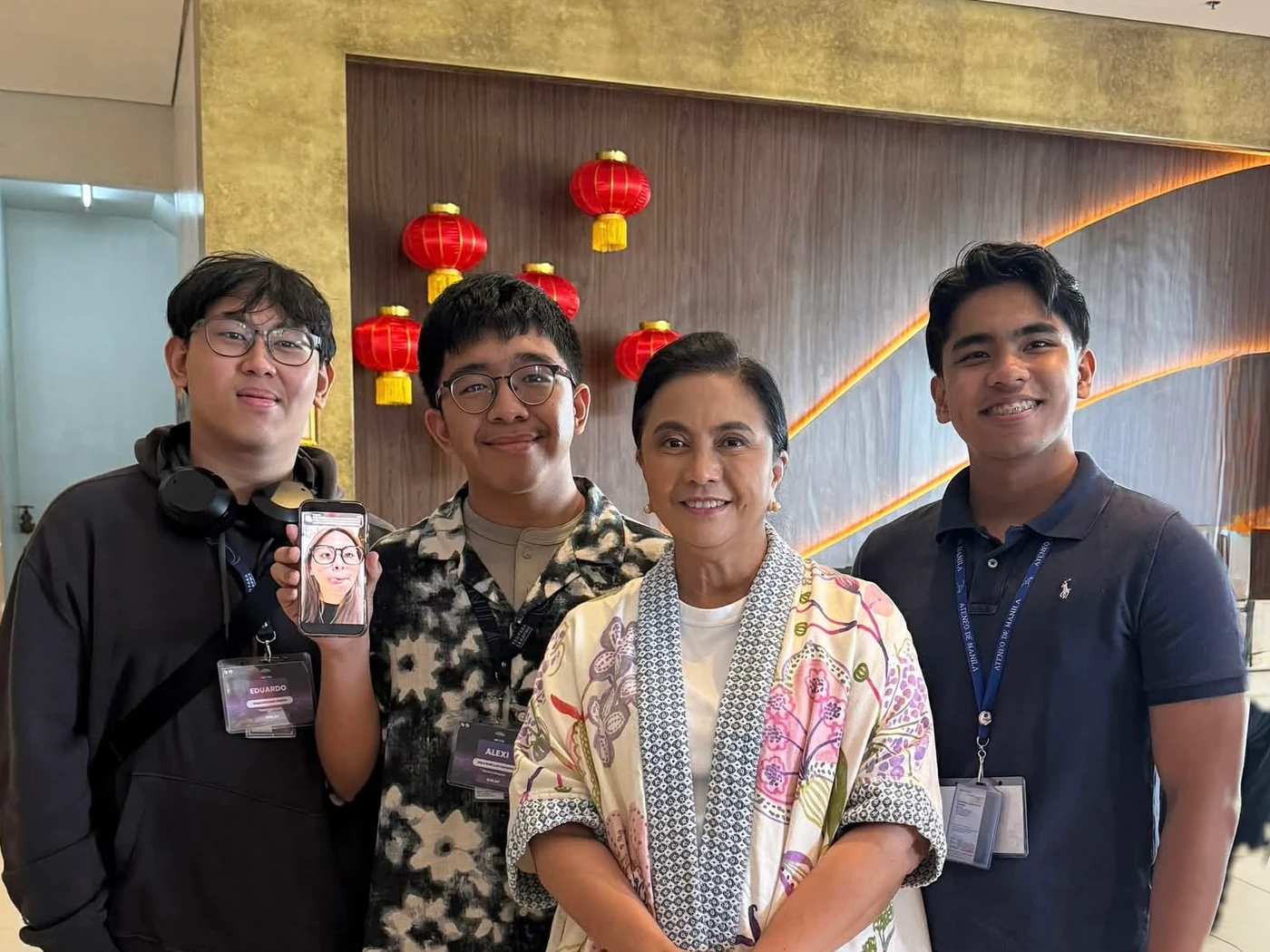
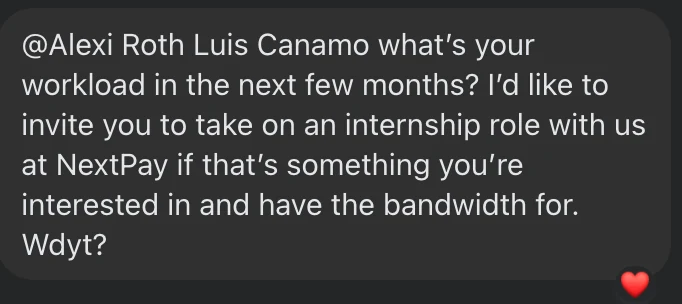
then in my NextPay internship reflection, the lesson became more specific: sometimes you grow by entering rooms before you feel ready for them.
that experience taught me that feeling underqualified isn’t always a sign that you should leave. sometimes it just means you’re finally close enough to something that can stretch you.
this post feels like the next part of that thought.
first, create surface area. then move before you have to. then pay attention to what comes back.
because the point isn’t just to collect more experiences. the point is to let those experiences tell you something.
what you like. what drains you. what people actually use. what kind of work keeps pulling you back. what kind of person you become when no one is handing you a checklist.
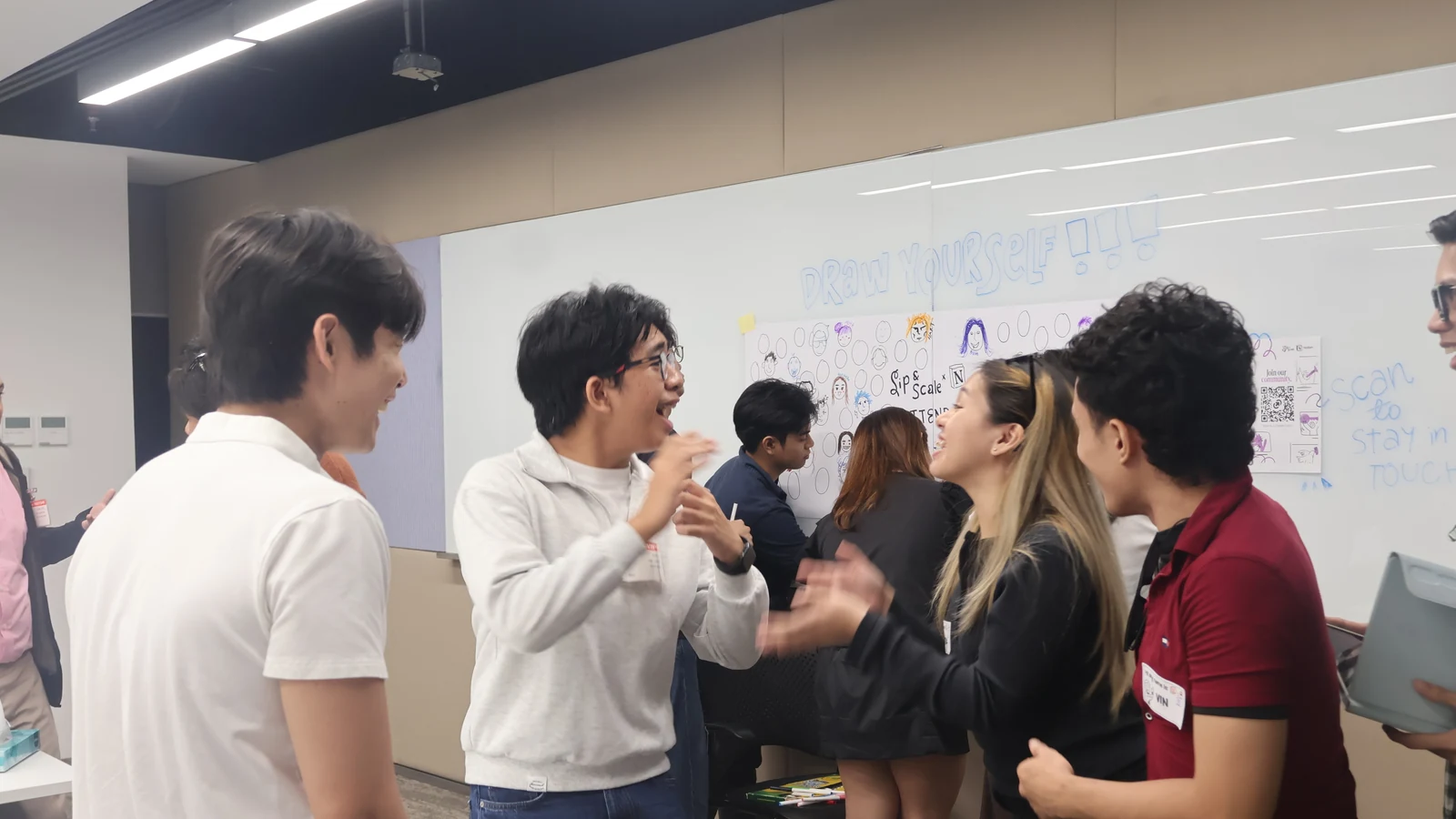
most of it didn’t feel like a plan
a lot of the things i’m grateful for now didn’t start as serious plans.
some started because a problem was close enough to annoy me: a messy enlistment week, a grade what-if, a student workflow that felt harder than it needed to be, a receipt nobody wanted to split manually, an event operation that could move faster with better tools.
that’s where a lot of my work has always started: something small, specific, and close.
i think that goes way back.
when i was seven, i saw my aunts and uncles working on a Visual Basic project. there were three radio buttons, and clicking one changed a picture on screen. that was it, but to me, it felt like magic.
later, my family showed me how to make websites with Wix, so i started making pages about games and toys i liked. after that, i made a small browser called IcyFox. it was basically my Firefox copy, but i made seven versions because every version taught me something.
during the pandemic, The Odin Project helped me understand what i had been copying. i built a calculator, a sketchpad, rock-paper-scissors, and a lot of half-finished things that made the basics stick.
i didn’t have the words for it then, but that was probably the first version of how i still learn now: see something interesting, try making a rough version, break things, make another version.
college just gave that habit more direction.
looking back, it feels connected. living it didn’t.
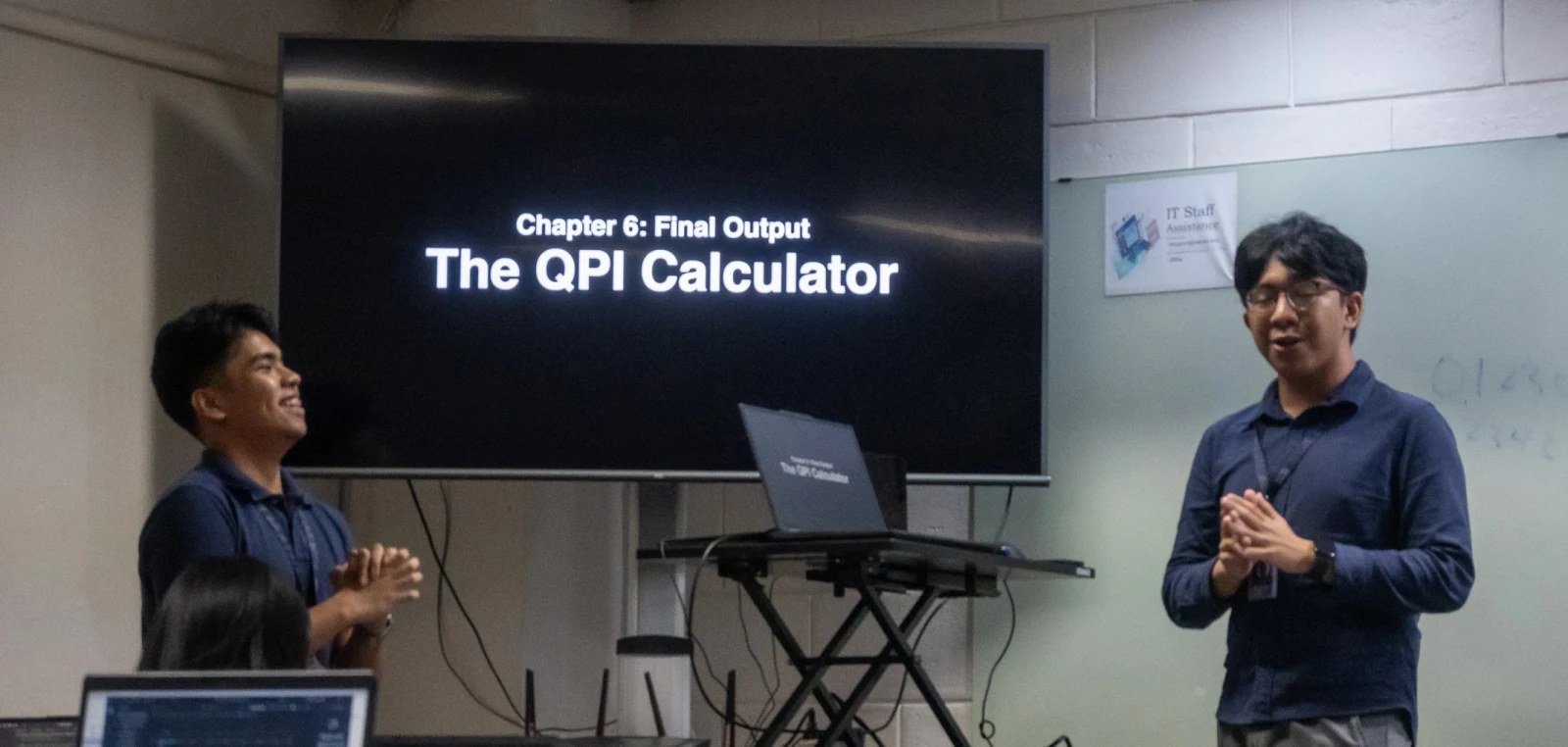
the QPI Calculator and Enlistment Helper taught me that useful can matter more than impressive.
they weren’t big, complicated ideas. they came from problems that were already around me. students were trying to understand grades, plan enlistment, and survive the small systems that quietly shape college life. building tools for that made software feel close to someone’s actual day.
the thank-yous during finals and enlistment week stuck with me because they made the work feel real in a way a private project never could.
Hati, One Big Match, and other side projects taught me that ideas feel different once other people can touch them. a concept in your notes app is safe, but a product with users is not. people click things you don’t expect, ignore things you thought were obvious, and care about details you didn’t think about. the moment something is outside your head, it stops being just your idea. it becomes something the world can respond to.
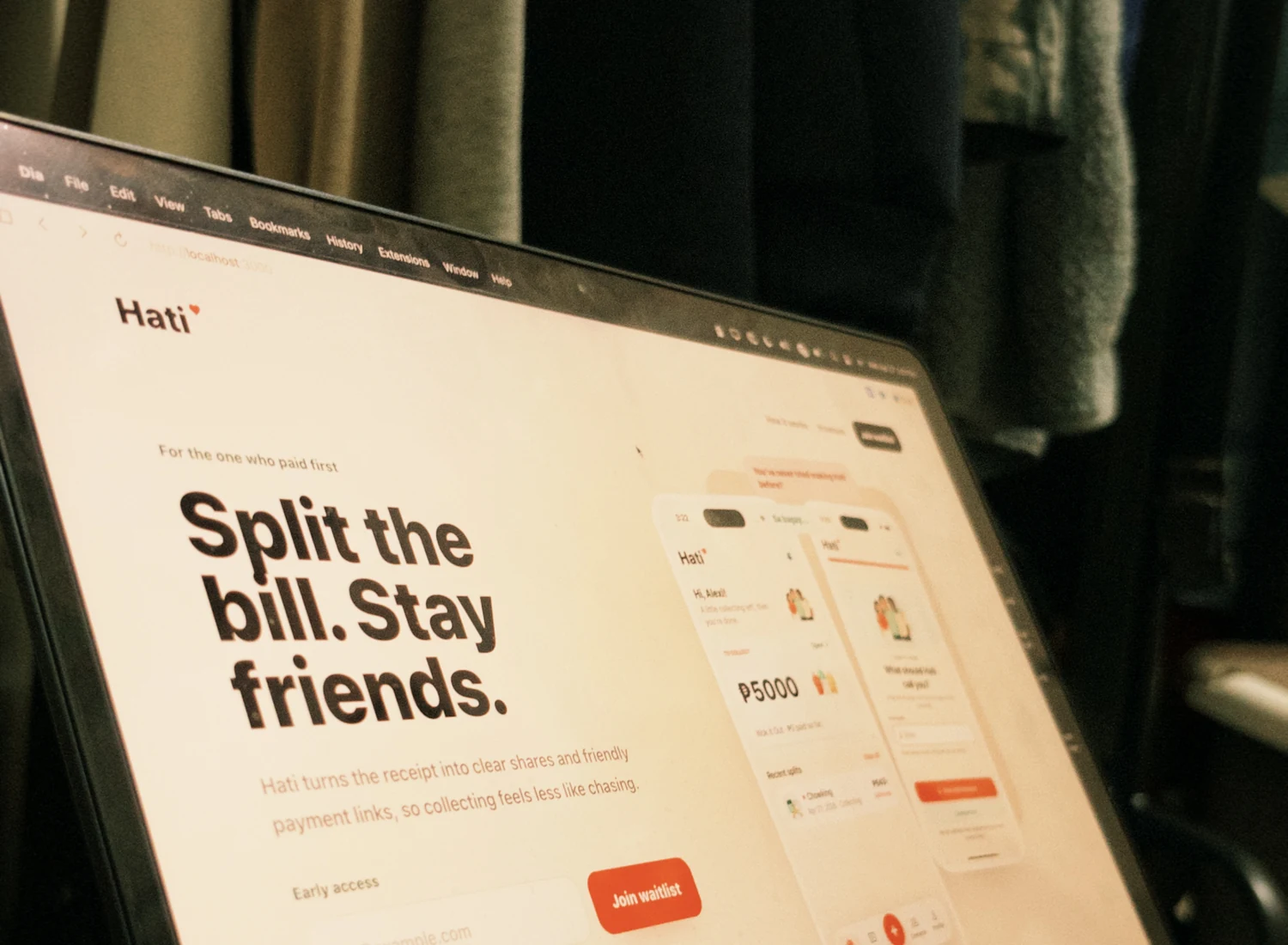
startup work, client work, and internships taught me that real work has constraints: timelines, trust, communication, ambiguity, handoffs, people depending on you. it’s one thing to build something for yourself. it’s another to build something that has to fit into someone else’s day.
writing publicly taught me something else: reflection turns experience into direction. sometimes you don’t know what something taught you until you try to explain it.
while all of this was happening, it didn’t feel like one clean story. it felt like separate attempts: a student tool here, an internship there, a random project, a freelance thing, an org responsibility, a blog post, a conversation, a pitch, a room where i felt slightly out of place.
but each attempt gave feedback.
and slowly, the feedback became direction.
leave evidence
one thing i want to keep doing in junior year is making the work visible.
not everything has to become content. not every small win needs a post. not every project needs to become part of a personal brand.
but if something matters to you, give people a way to see it.
if you built something, show it. if you learned something, write about it. if you helped with a project, explain what you did. if you made a small tool, put it somewhere people can use. if you care about a problem, let people see you taking it seriously.
invisible work can still be meaningful, but visible work creates feedback.
a student tool becomes easier to trust when people can actually use it. a side project becomes more real when it has a link. an internship application becomes stronger when there’s work behind it. a reflection becomes more useful when it’s written down instead of kept as a thought.
visibility turns effort into evidence.
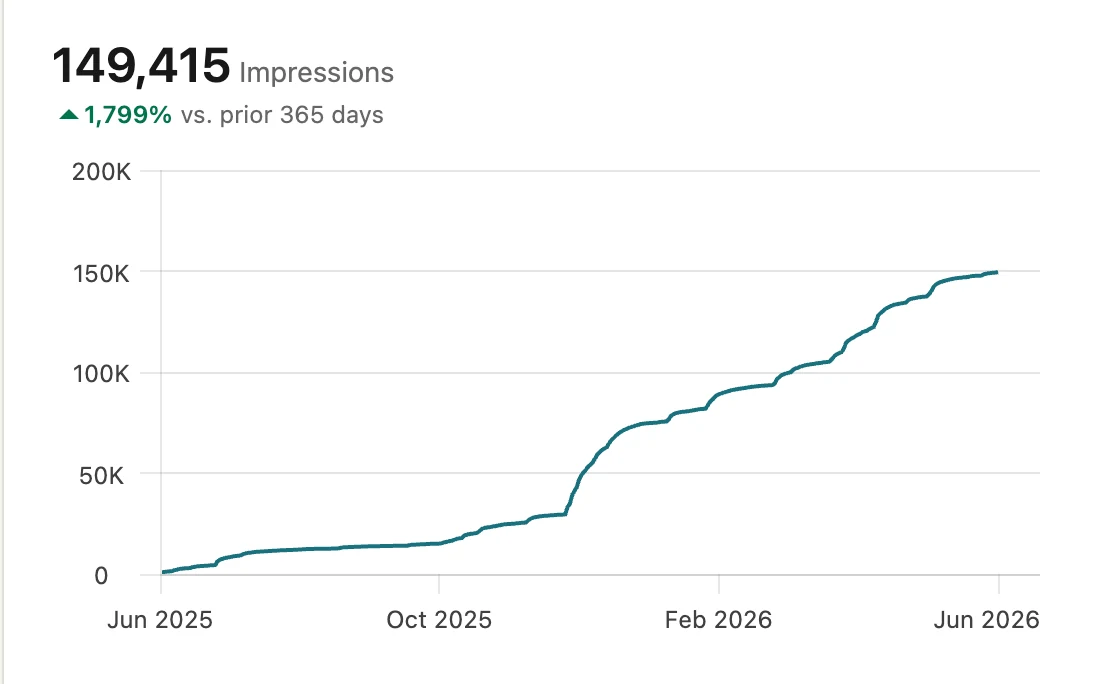
and evidence matters because people are not mind readers. they don’t automatically know what you can do, what you care about, or what kinds of problems you want to solve. sometimes the best thing you can do is leave a trail.
a link. a demo. a repo. a writeup. a screenshot. a small launch. a case study. a blog post. a message saying, “hey, i made this.”
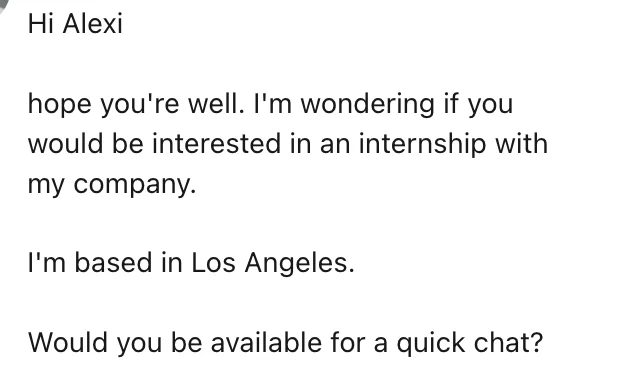
you don’t have to be loud.
but it helps to be visible.
even quietly visible.
giving people something to respond to matters.
not because the world always responds loudly. sometimes it doesn’t respond at all.
but silence is information too. so is a random message, someone using what you built in a way you didn’t expect, a rejection email, or a teammate asking if you can help with something else because they saw what you made before.
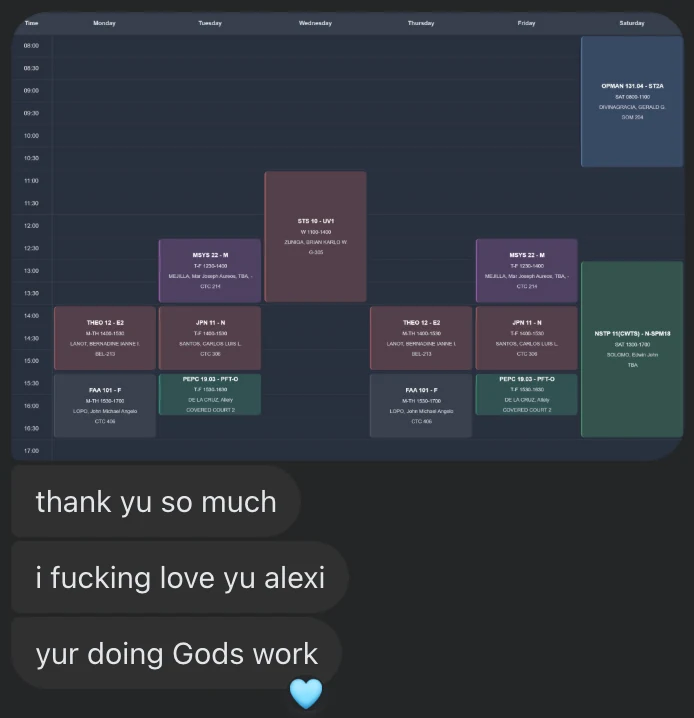
visible work creates surface area.
it gives luck more places to land.
then learn what’s worth doing again
there’s another side to all of this.
after you start creating more surface area, everything starts looking like an opportunity.
every project feels like it could become something. every event feels like it might matter. every application feels like it could open a door. every message, pitch, internship, hackathon, client, org role, and side quest asks for a little bit of your attention.
at first, that feels exciting.
then it gets noisy.
that’s the part i’m trying to understand now.
my first two years taught me to move before i had to. junior year is teaching me that movement needs filtering.
signal is the work that keeps giving something back.
not always money, recognition, or a clean resume line. sometimes the signal is energy. sometimes it’s learning. sometimes it’s a person you want to keep working with. sometimes it’s a problem you keep thinking about even after the requirement is done. sometimes it’s real users, real feedback, or a small moment where you realize something you made actually mattered to someone.
noise is different.
noise is the thing that feels important because it’s loud, urgent, or easy to compare. the thing that fills your calendar but not your direction. the thing that looks good from the outside but doesn’t really teach you anything. the thing you keep doing because you like the idea of it more than the reality of showing up for it.
i still get this wrong.
sometimes i say yes too quickly. sometimes i confuse being busy with growing. sometimes i keep a project alive longer than i should because i don’t want to admit that it stopped giving back.
but i’m trying to pay better attention.
because maybe the first part of college is about creating motion, and the next part is about choosing what motion is worth repeating.
what i’m bringing into junior year
if i had to summarize what i’m taking with me, it would be this: start before you have to. leave evidence. listen for signal. repeat what gives back.
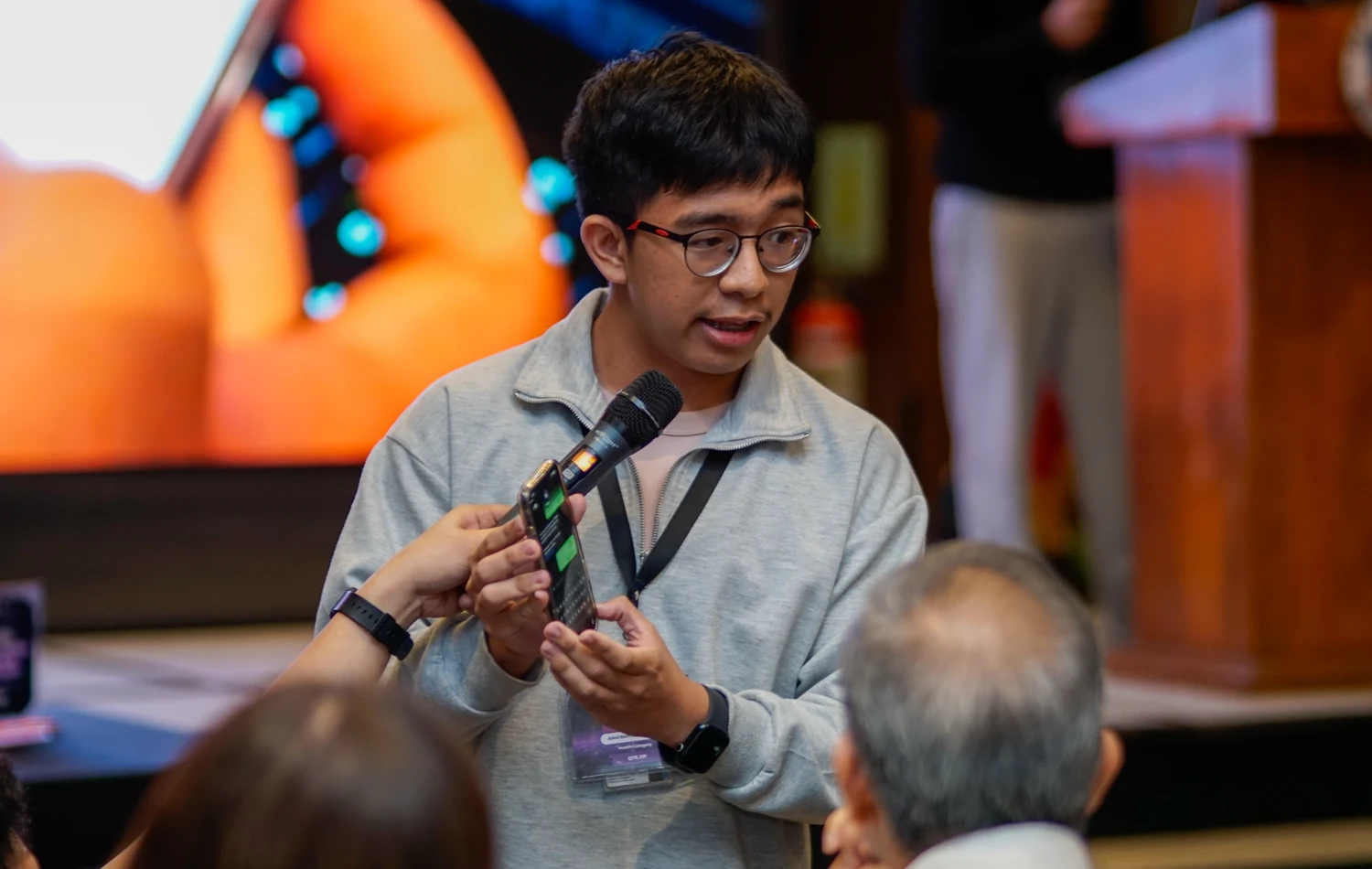
start before you have to means not waiting for the official requirement before trying. build the small thing. send the application. ask the question. enter the room. make the attempt before it becomes urgent.
leave evidence means making your work visible enough to receive feedback. a link is better than a long explanation. a demo is better than “i have an idea.” a reflection is better than letting the lesson disappear.
listen for signal means paying attention to what each attempt reveals. what gave me energy? what drained me? what did people use? what did i keep returning to? what felt worth repeating?
repeat what gives back means taking the pattern seriously. not everything deserves to compound. some things are good, just not for you. some things are impressive, but not aligned. some things are exciting at first, but expensive in attention.
motion → evidence → feedback → direction
i don’t think junior year is where i suddenly figure everything out. i think it’s where i get more honest about what my first two years have been trying to tell me.
that useful matters more than impressive. that confidence usually comes after trying, not before. that visible work creates feedback. that direction rarely arrives before motion.
that “code for others” is not just a nice idea on an about page. it’s the reason the work feels meaningful when it gets close to someone’s actual day.
that “we can just do things” is not about rushing everything or turning life into a productivity contest. it’s about giving yourself permission to make a rough first version instead of waiting forever for the perfect moment.
as i enter junior year, i want to keep that permission.
to build before it’s assigned. to apply before i feel ready. to meet people before i need anything. to ship before it’s impressive. to make the work visible enough to get feedback. to reflect before i forget. to filter before i drown.
not because every moment of college has to be productive. some of the best parts of life are still coffee, code, cameras, friends, late nights, quiet walks, random plans, and doing things for no reason other than they make you feel alive.
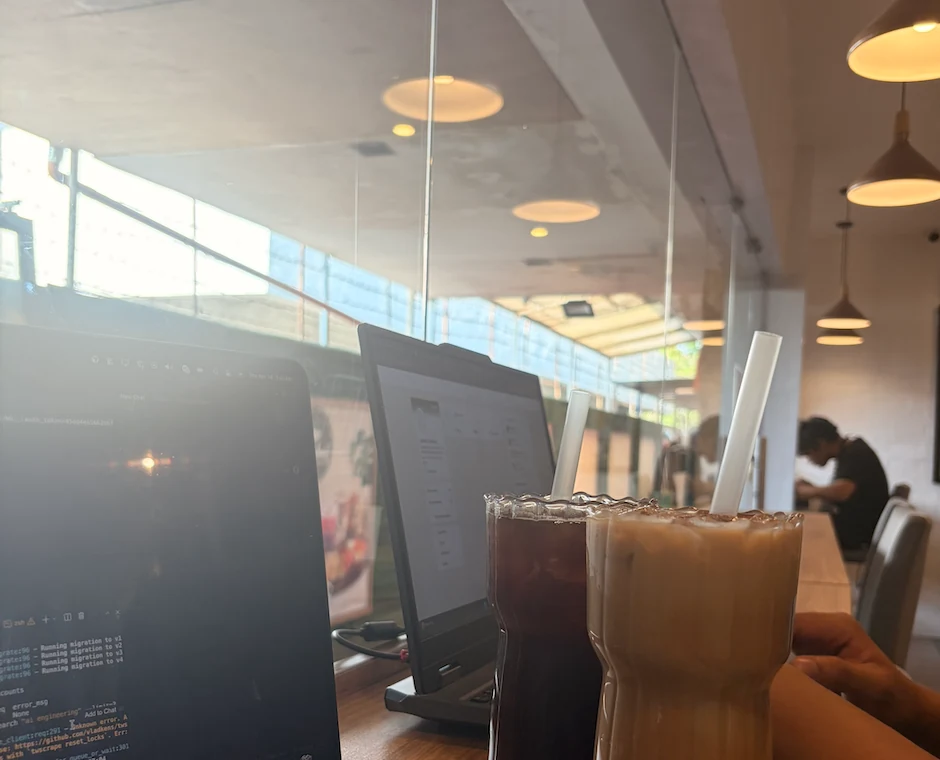
but i don’t want college to just happen to me. i want to participate in it.
i want to keep doing things that give me evidence, direction, and better questions. and i want to get better at noticing which things are actually worth doing again.
maybe that’s what the first two years gave me.
not a perfect plan.
not a clean path.
just enough attempts to see a pattern.
most of the time, direction doesn’t arrive first.
you do something.
you leave evidence.
the world responds.
then you decide if it’s worth doing again.